
Hey Michael,
Your Manalytics
report is ready!
Report Overview
Your hormones are connected.
Your report groups results by how they work together, helping you understand signals related to sperm production, testosterone health, and broader hormonal influences.
Your numbers are shown with context.
Each value is paired with a plain-language explanation and a visual range so the report feels easier to read and easier to discuss.
Your next conversation gets clearer.
The goal is to help you prepare for an informed discussion with a clinician, not to diagnose or replace medical advice.
1Your numbersat a glance
Your hormone profile, organized into key functional categories to help you better understand sperm production, testosterone, and hormone balance.
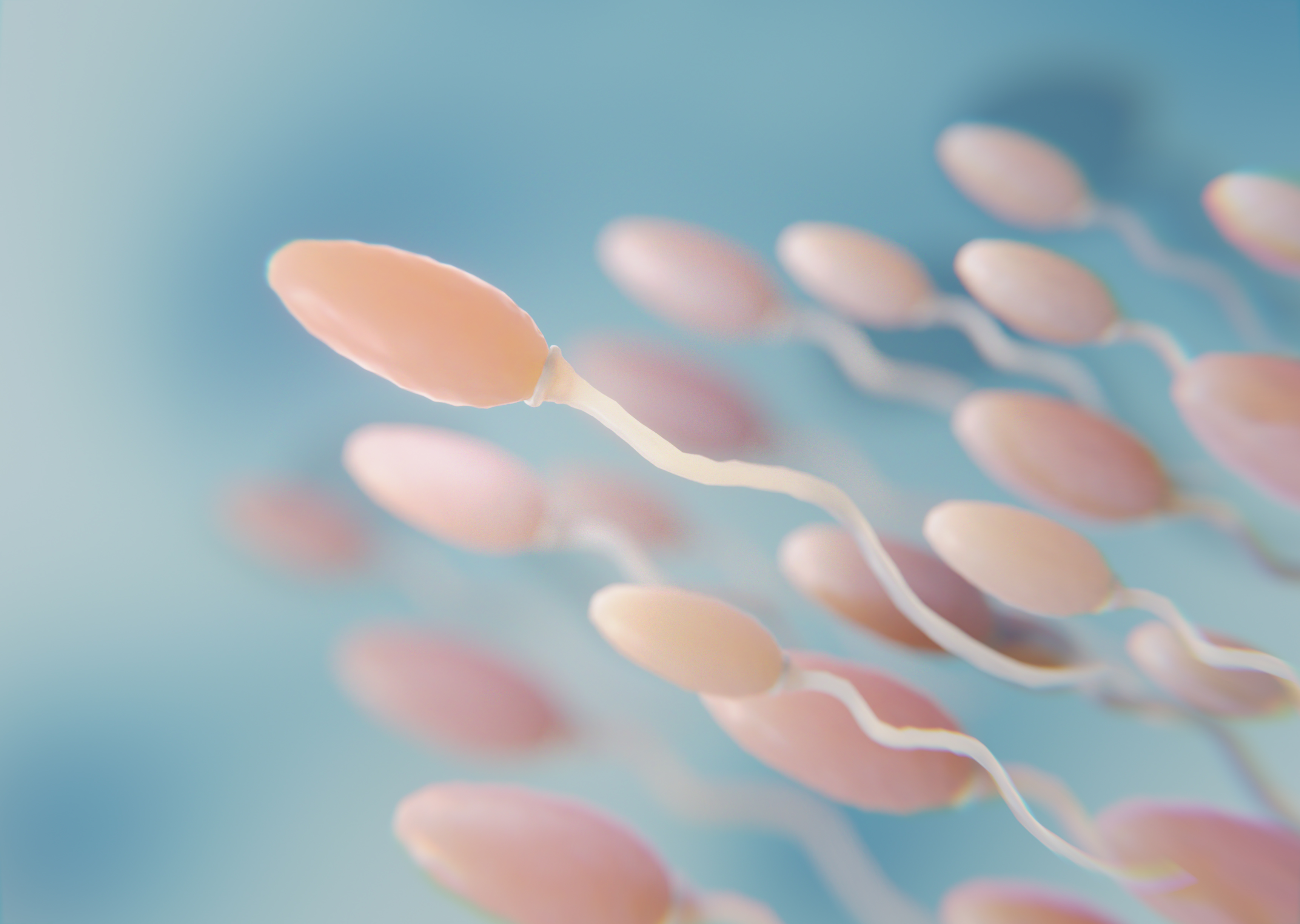
Sperm Production
FSH
In Range
8.2 IU/l
AMH
In Range
2.2 ng/ml
Testosterone Production
T
In Range
620 ng/dl
fT
In Range
12.4 pg/ml
LH
In Range
4.2 IU/l

Hormone Influencers
PRL
Out of Range
20 ng/ml
TSH
In Range
2.4 mIU/l
E2
In Range
28 pg/ml
2Your numbersinsights
Your hormone results, placed into population percentiles to provide deeper context beyond standard reference ranges. These insights help identify relative patterns, trends, and subtle shifts within key reproductive hormone systems.
Sperm Production
FSH
Follicle-Stimulating Hormone
30-63rd
Percentile
About the result
Your FSH result of 8.2 IU/L is higher than 90% of men in our reference population.
Elevated FSH is associated with decreased Sertoli Cell function which is related to sperm health.
AMH
Anti-Mullerian Hormone
40-60th
Percentile
About the result
Your AMH result falls within the middle 40-60% of men in our reference population.
This suggests your level of AMH is typical for men your age. AMH is produced by Sertoli cells in the testes and reflects their function, which plays a key role in supporting sperm production and overall reproductive health.
Testosterone Production
T
Total Testosterone
70-90th
Percentile
About the result
Your total testosterone result of 620 ng/dL is higher than 75-90% of men in our reference population.
This indicates your testosterone level is in the high range compared to other men.
Testosterone plays a key role in male fertility by supporting sperm production, sperm maturation, and overall reproductive function. Optimal levels are associated with better sperm quality, libido, and reproductive health.
fT
Free Testosterone
70-90th
Percentile
About the result
Your free testosterone result is higher than 75% of men in our reference population.
This indicates your free testosterone level is in the high range compared to other men.
Free testosterone is the active form of testosterone that is available for your body to use. It plays a critical role in male fertility by supporting sperm production, sperm quality, libido, erectile function, and overall reproductive health.
LH
Luteinizing Hormone
70-90th
Percentile
About the result
LH result falls within the middle 40-60% of men in our reference population.
This indicates your LH level is in the mid-range compared to other men.
LH is a hormone produced by the pituitary gland that stimulates Leydig cells in the testes to produce testosterone. Mid-range LH levels are commonly seen in men with typical hormone signaling and support healthy testosterone production, sperm production, libido, and overall reproductive function.
Hormonal Influencers
PRL
Prolactin
<15th
Percentile
About the result
Your prolactin result is higher than 97.5% of men in your reference population.
This indicates your prolactin level is elevated compared to other men.
Prolactin is a hormone produced by the pituitary gland that plays many roles in the body. When prolactin is elevated in men, it can interfere with testosterone production and sperm production, and may contribute to lower libido, erectile dysfunction, and reduced sperm quality.
TSH
Thyroid-Stimulating Hormone
40-60th
Percentile
About the result
Your TSH result falls within the middle 40-60% of men in our reference population.
This indicates your TSH level is in the mid-range compared to other men.
TSH is a hormone produced by the pituitary gland that stimulates the thyroid to produce thyroid hormones, which regulate metabolism and energy levels. Thyroid function can indirectly influence reproductive health, but a mid-range TSH level is generally consistent with normal thyroid function.
T/E2 Ratio
22.1 : 1
About the result
The T:E2 ratio compares your testosterone to estradiol levels. It is an important marker of hormonal balance.
A balanced ratio suggests that testosterone and estradiol are in a healthy relationship, which supports overall well-being.
While there is no single “ideal” number for everyone, your result falls within the expected range for men in our reference population.
Personalized reports
Recommendations and discussion prompts are grouped into clear report modules.
Sperm production signals
Contextual notes prepared for review.
Testosterone production pattern
Contextual notes prepared for review.
Hormonal signal
Contextual notes prepared for review.
TSH
Contextual notes prepared for review.
Clinical hormones
Contextual notes prepared for review.
Male hormones and sperm health interconnection
Contextual notes prepared for review.
Estradiol to SHBG
Contextual notes prepared for review.
Fertility score to your body
Contextual notes prepared for review.
This sample report is illustrative and should not be used as a substitute for medical diagnosis or professional care.